
Jackie's environmental blog – have you heard about citizen science?

If you read my last post, you’ll know that I’m an environmental science student and love to do little experiments. But what if I told you that you don’t have to be a scientist to get involved with science? There is a whole world of citizen science projects out there—no experience needed, you don’t have to be a student, just have an interest in nature.
With the decline in our natural world and 1 in 6 UK species under threat, scientists are struggling to monitor it all. That’s where citizen science comes in, allowing the public to help keep the data flowing. Projects range from watching your garden for 15 minutes during the Big Butterfly Count in the summer, to taking a walk to your local stream to fill a jar of water for the Water Blitz survey. So far, I haven’t come across one that isn’t child-friendly; in fact, get the kids involved. Engaging the next generation with nature is a key part of protecting it. Not only are these activities educational and fun, but the data submitted to the teams behind them is vital.
I’ve done the Big Butterfly Count for eight years now, and my knowledge of butterflies has increased tenfold. It really is as simple as downloading the app and sitting in your garden for 15 minutes. You can participate once or every day between 17th July and 9th August. After entering your name and email, you record all the butterflies you see in 15 minutes. There are pictures too, so you don’t need to know your species. Submit, done. The data is used to track how widespread a species is, as well as rough numbers. 2025 was a good year for butterflies—the hot weather increased numbers, although they were still fewer than in the 1990s. Participants receive an email with the results.
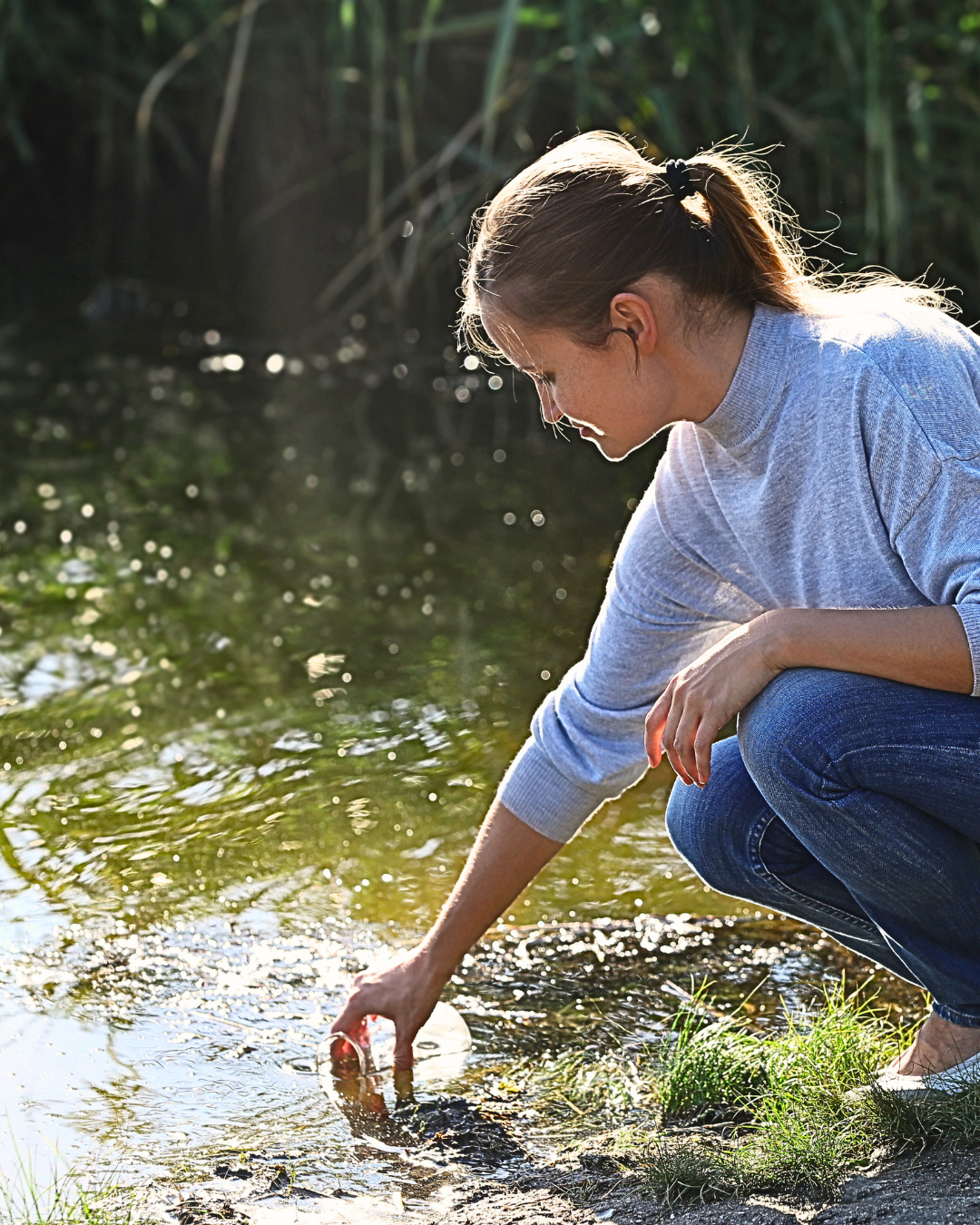
One project I started in 2025 is the Water Blitz survey, run by Earthwatch Europe. Once you’ve registered, they send you a simple test kit in spring and autumn. Take a clean jam jar to any freshwater body you like—stream, river, or lake—fill the jar with water, enjoy a bit of nature, then head home. You can also do the experiment on-site; I just preferred to do it at home. The instructions are easy: fill a small vial to the line with water, transfer the water into a little tube, shake, and wait. The water will likely change colour, indicating the level of phosphates and nitrates in the sample. Match the colour to a chart provided and upload your results. Unfortunately, 2025 wasn’t the best year for water quality across the UK. The level of phosphates and nitrates indicates how healthy our watercourses are.
The Mammal Mapper app is one you can use anytime, either from home or while searching for mammals. Online Zoom tutorials provide tips on where and how to look. Again, the data helps scientists track where animals are—or aren’t. This may seem morbid, but you can even report dead animals you find. Even a badger on the side of the road contributes valuable information about species distribution.
iRecord and iNaturalist are two apps that anyone can use to help identify species they might not recognise. More than that, you can help scientists track invasive species or the spread of diseases. Many people use them as a personal record of animals and plants they’ve seen, which is perfectly fine too. I must admit, there’s a real sense of achievement when you upload a species, take a guess, and then get an email confirming it’s correct from an expert.
There is even one for trees, called Treezilla. I’ve used this for my academic studies, but I can easily imagine a game with kids to see who can find the biggest tree to measure, and whether they can wrap their arms around it. Once details are submitted, you get a summary page showing information like how much carbon the tree has stored in its lifetime.
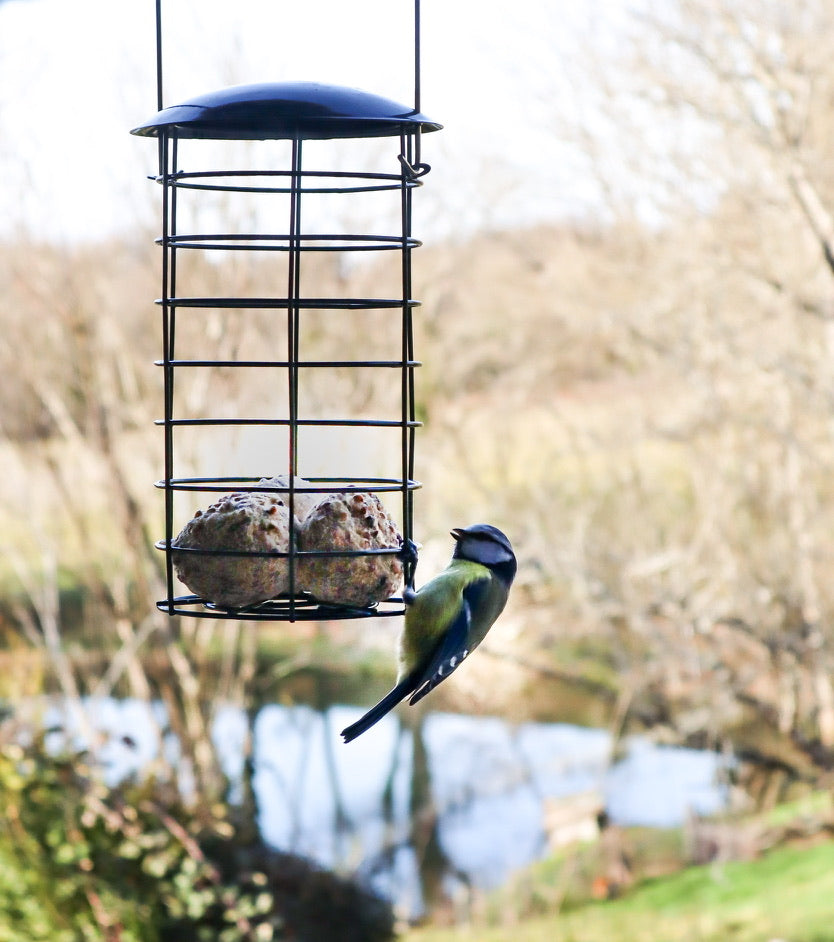
The next citizen science project I’m taking part in is the Big Garden Birdwatch. But you need to be quick—it runs from 23rd to 25th January.
I have found citizen science projects to be fun, educational, and rewarding. If you think it might be something you’d enjoy, please give it a go. The information provided by the public is a valuable contribution to nature and science. iRecord has a list of projects, or you can Google any of the ones I’ve mentioned for more information.
Thanks for reading, and feel free to comment on your experiences.
Jackie

Written by My Store Admin

Leave a comment
This site is protected by hCaptcha and the hCaptcha Privacy Policy and Terms of Service apply.